
Pond Building in Greenville, Kentucky
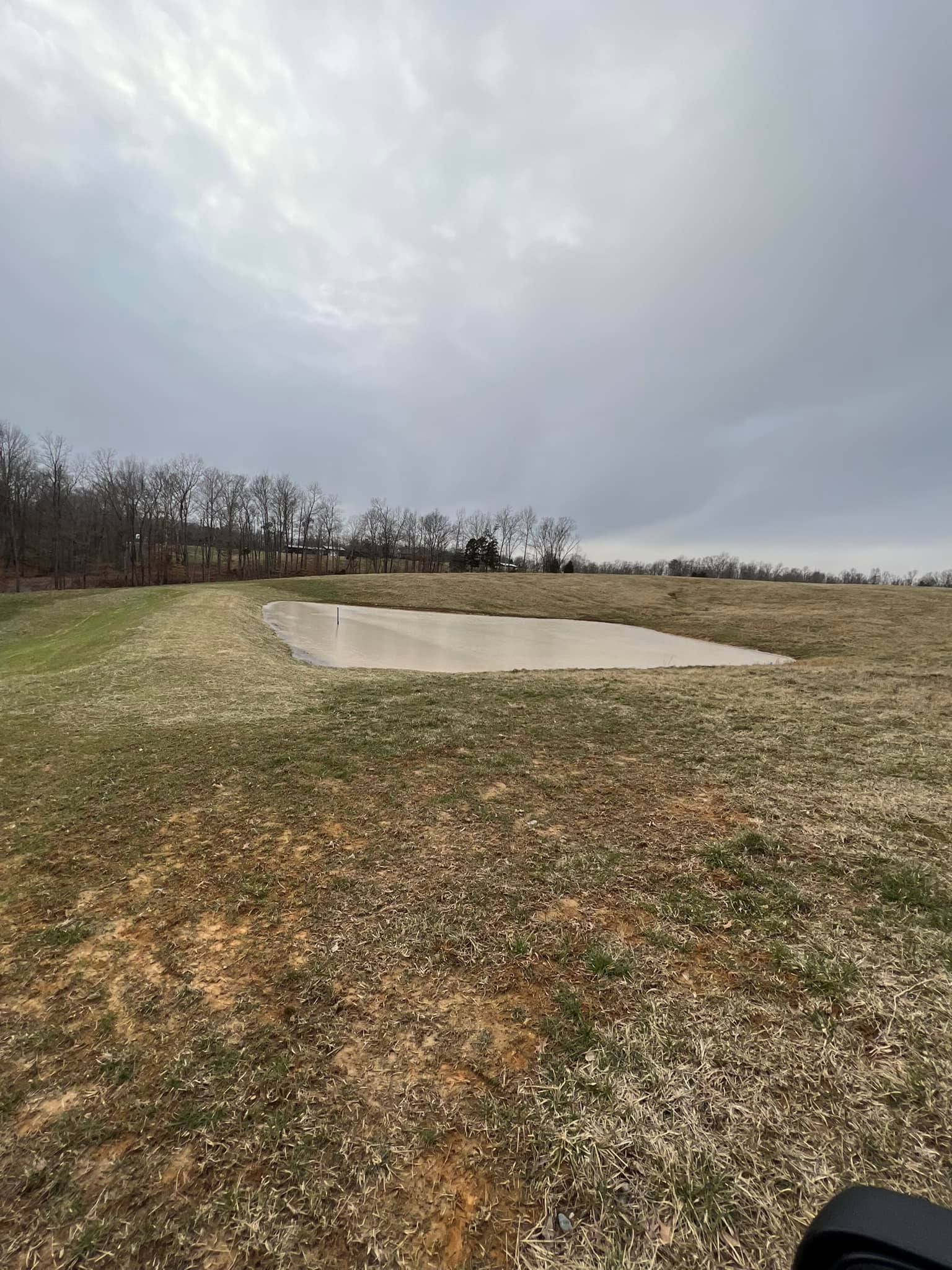
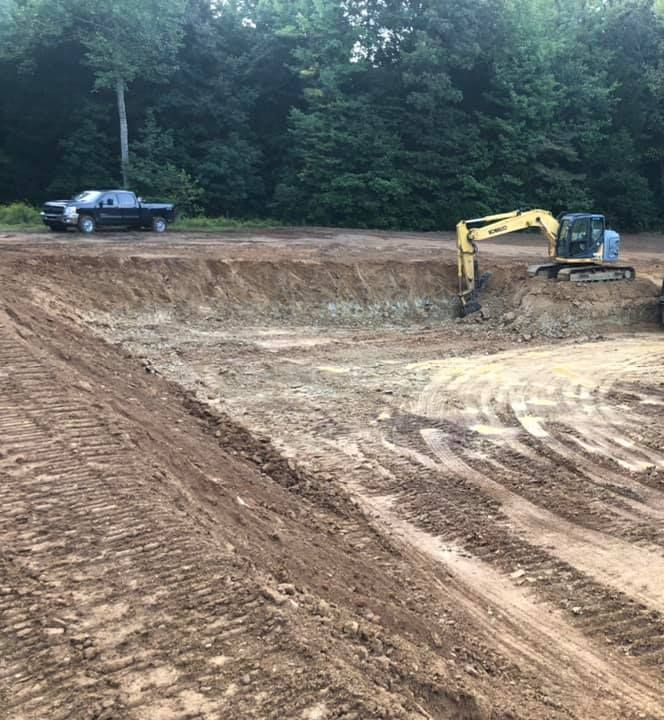
Professional Pond Building Solutions Designed For Long-Term Land Value
Water has always shaped the identity of rural landscapes across Western Kentucky. From agricultural land management to recreational properties, a properly designed pond can transform open ground into a resource that supports wildlife, irrigation, and long-term property value. At Martin Property Pros, pond building begins with understanding the land itself—its natural slopes, soil composition, drainage patterns, and water flow behavior. Through thoughtful excavation planning and careful grading, we create ponds that integrate naturally into the surrounding terrain while maintaining dependable water retention and structural stability for decades.
We serve Greenville, Kentucky, as well as surrounding communities including Central City, Powderly, and Drakesboro. Local rainfall patterns, seasonal drainage channels, and soil density influence how water collects and remains contained. Because these conditions vary from property to property, pond building requires careful analysis and precision earthmoving rather than simple excavation. A well-constructed pond balances drainage control, shoreline stability, and long-term water retention while complementing the natural landscape of the property.
With 20
years of excavation experience, our work focuses on creating ponds that remain reliable through seasonal changes, heavy rainfall, and everyday environmental pressure. Our team approaches each pond project as a carefully engineered landscape feature rather than just a dug basin. From shaping the pond bed to reinforcing embankments and designing spillways, every step is guided by practical field knowledge and proven excavation techniques that support both performance and environmental harmony. The result is a pond that functions reliably while enhancing the beauty and usability of the surrounding property.
Our Pond Building Services
Site Evaluation And Land Assessment
Every pond project begins with evaluating soil composition, natural drainage patterns, elevation changes, and surrounding landscape conditions. Careful site assessment ensures the pond is placed where water retention will remain reliable while minimizing erosion risks and maintaining balance between natural land features and engineered excavation work.
Excavation And Basin Shaping
Precision excavation creates the foundation of a durable pond. Proper basin shaping ensures appropriate depth levels, shoreline angles, and water capacity while preventing structural weaknesses. Controlled excavation techniques allow water to collect naturally while maintaining stability within the surrounding soil structure.
Pond Embankment Construction
Strong embankments are essential for maintaining water levels and protecting surrounding land. Carefully compacted soil and reinforced slopes help prevent leaks, erosion, or structural collapse. Proper embankment construction ensures that the pond remains durable under changing weather conditions and seasonal water fluctuations.
Drainage And Spillway Installation
Effective water control requires proper overflow and drainage design. Spillways and drainage channels regulate water levels during heavy rainfall, preventing flooding and protecting embankments from pressure damage. Thoughtful drainage planning allows the pond to function safely within the broader landscape water system.
Pond Expansion Or Restoration
Existing ponds sometimes require reshaping, dredging, or reinforcement to restore performance. Sediment removal, shoreline stabilization, and structural improvements can extend the lifespan of older ponds while improving water retention, capacity, and environmental balance across the surrounding property.
Shoreline Grading And Finishing
Final grading shapes the shoreline into a stable and visually appealing boundary. Gentle slopes reduce erosion, allow safe access to the water, and encourage healthy vegetation growth. Proper shoreline finishing ensures the pond blends naturally into the surrounding landscape while supporting long-term environmental stability.
Benefits Of Professionally Designed Pond Construction
Improved Water Management
A properly constructed pond helps regulate water flow across a property by capturing runoff and slowing surface drainage. This controlled water collection reduces erosion, protects surrounding land from washouts, and supports healthier soil conditions while providing a dependable water source for agricultural or landscaping needs.
Increased Property Value
A well-built pond enhances the visual appeal and functional potential of a property. Attractive water features often increase land value by adding recreational opportunities, wildlife habitat, and aesthetic beauty, making the property more desirable for residential, agricultural, or investment purposes over the long term.
Enhanced Wildlife Habitat
Ponds naturally attract birds, fish, amphibians, and beneficial wildlife that contribute to a balanced ecosystem. By creating a stable water environment with proper depth, shoreline design, and vegetation support, professionally built ponds encourage biodiversity while maintaining ecological stability across the surrounding landscape.
Reliable Irrigation Support
Agricultural and rural properties benefit from ponds that store rainwater for irrigation use. A properly designed pond helps maintain crop health during dry periods by providing a supplemental water source, reducing reliance on external supply while improving water management throughout seasonal growing cycles.
Recreational Opportunities
Beyond practical uses, ponds create opportunities for fishing, relaxation, and outdoor enjoyment. A carefully shaped pond provides safe shoreline access and stable water levels that support recreational activities while enhancing the natural atmosphere of the surrounding property environment.
Long-Term Soil Stability
Professional pond construction strengthens surrounding soil by controlling erosion and stabilizing slopes. Proper excavation techniques, compaction, and grading prevent embankment failures while protecting nearby land structures, ensuring the pond remains structurally secure and environmentally balanced for many years.
Creating Reliable Water Features for Agriculture Recreation and Landscape
A well-constructed pond represents more than a water feature—it becomes a lasting part of the property’s landscape and functionality. Thoughtful excavation, proper soil compaction, and carefully designed drainage systems ensure that ponds remain stable through changing seasons and environmental conditions. When landowners invest in professional pond construction, the result is a dependable water resource that supports agriculture, wildlife, recreation, and long-term land stewardship.
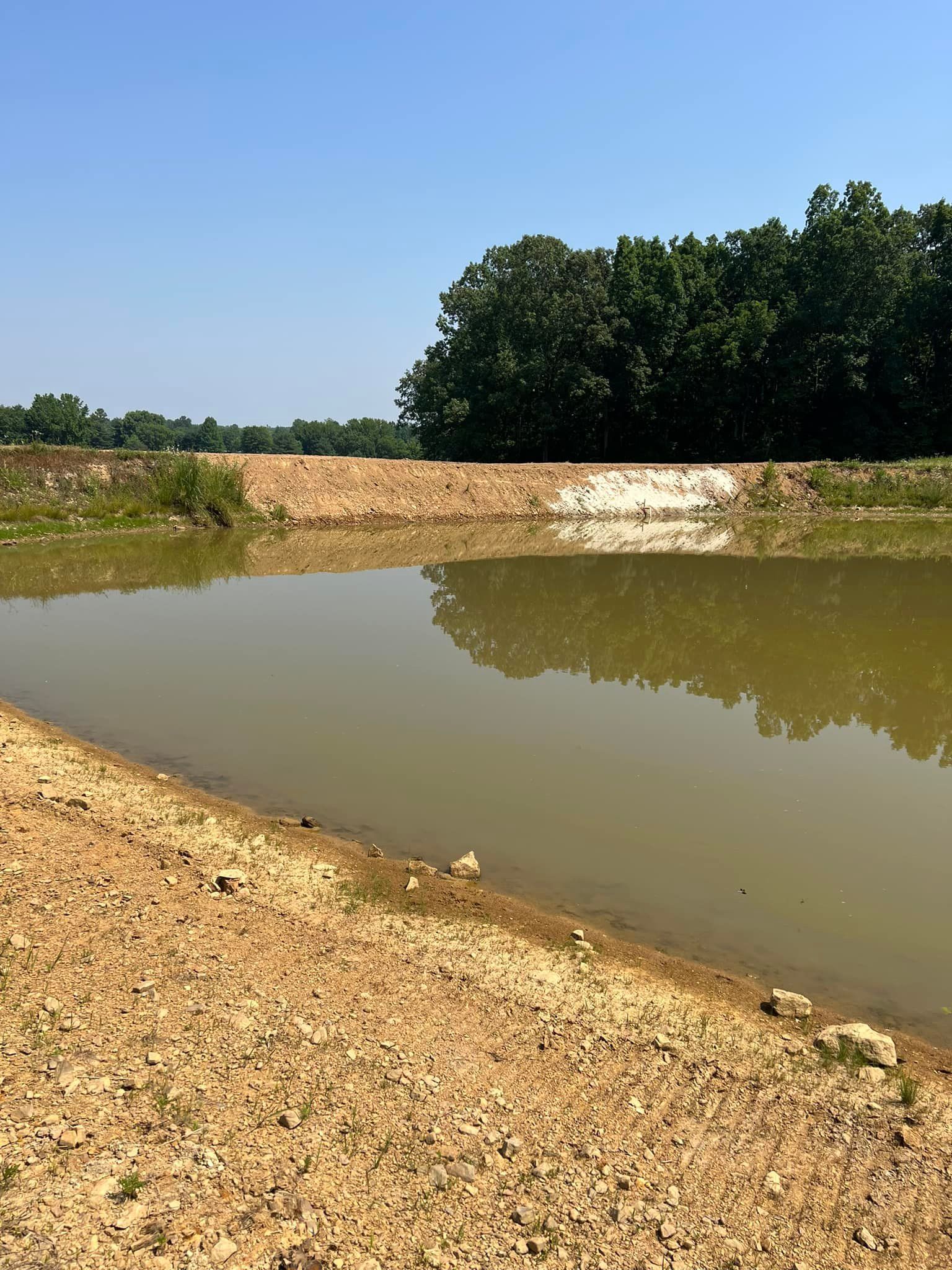
At Martin Property Pros, pond construction reflects a commitment to careful land management and practical excavation expertise. Our team approaches every project with respect for the terrain across Greenville, Kentucky, and nearby communities such as Central City, Powderly, and Drakesboro, ensuring that excavation work strengthens rather than disrupts the surrounding environment.
Frequently Asked Questions
How long does it take to build a pond?
The construction timeline depends on factors such as pond size, soil conditions, and drainage requirements. Smaller ponds may be completed within several days, while larger or more complex projects can take longer. Excavation, grading, and water management systems must be completed carefully to ensure the pond remains structurally stable and retains water effectively.
What factors determine the best location for a pond?
Pond placement depends on natural drainage patterns, soil composition, elevation, and surrounding land use. Areas that naturally collect runoff often provide ideal conditions. Proper evaluation helps ensure the pond receives adequate water supply while preventing erosion or structural problems that could affect nearby land areas or buildings.
Can a pond be added to an existing property without major disruption?
Yes, most ponds can be constructed while preserving surrounding landscape features. Careful excavation planning helps minimize disruption to nearby structures, trees, and terrain. Skilled grading techniques allow the pond to integrate naturally into the property while maintaining proper drainage and soil stability during construction.
What type of soil works best for pond construction?
Clay-rich soils generally provide excellent water retention because they compact tightly and reduce seepage. Properties with sandy or porous soil may require additional preparation, compaction, or sealing techniques to maintain water levels. Proper soil analysis helps determine the most effective construction approach for lasting results.
How deep should a typical pond be?
Depth depends on the intended purpose of the pond. Recreational or fishing ponds often include deeper areas to maintain cooler water temperatures and support aquatic life. Proper depth planning also helps prevent excessive vegetation growth and improves water quality throughout changing seasonal conditions.
Do ponds require ongoing maintenance?
Yes, ponds benefit from periodic maintenance such as shoreline stabilization, vegetation management, and sediment monitoring. Regular observation helps identify erosion or drainage issues early. With proper construction and routine care, a pond can remain healthy and functional while supporting wildlife and maintaining stable water levels.
Does professional excavation improve the lifespan of a pond?
Yes. Proper excavation techniques greatly influence how long a pond performs effectively. At Martin Property Pros in Greenville, Kentucky, our team focuses on soil compaction, drainage design, and structural grading that strengthens pond stability, allowing water features to remain reliable and environmentally balanced for decades.
Why should landowners consider professional pond construction?
Professional construction ensures ponds are designed for durability, water retention, and environmental stability. At Martin Property Pros in Greenville, Kentucky, our team applies decades of excavation knowledge to create ponds that function as reliable land resources while enhancing the natural landscape of rural properties.
What our customers have to say...
Testimonials